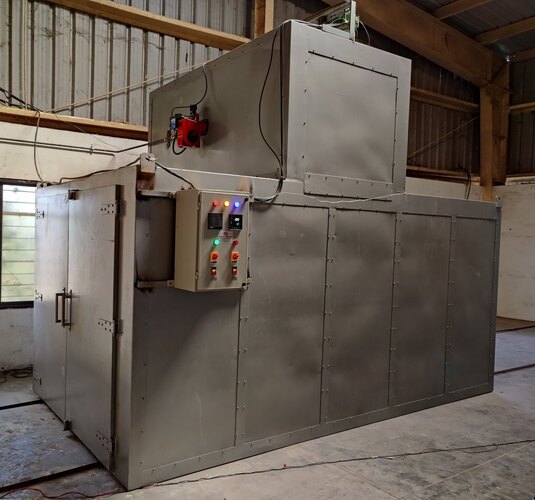
Temperature inconsistencies in powder coating ovens can lead to uneven finisheshttps://www.headlinersmagazine.com wasted materialshttps://www.headlinersmagazine.com and production delays. A well-functioning oven ensures flawless curing and a durable coatinghttps://www.headlinersmagazine.com but when heat distribution faltershttps://www.headlinersmagazine.com identifying the root cause becomes essential. Here’s a deep dive into resolving the common culprits behind temperature inconsistencies.
Identifying Blockages in Airflow Systems That Disrupt Heat Distribution
Efficient airflow is the backbone of consistent heat distribution in a powder coating oven. Any obstruction in the airflow system can create hot spots or leave areas undercookedhttps://www.headlinersmagazine.com compromising the quality of the coating. Dusthttps://www.headlinersmagazine.com debrishttps://www.headlinersmagazine.com or poorly maintained fan systems are common causes of restricted air circulation.
To troubleshoothttps://www.headlinersmagazine.com begin by examining the fan blades and vents. Over timehttps://www.headlinersmagazine.com even minor obstructions can drastically reduce airflow efficiency. Cleaning these components regularly prevents buildup that restricts airflow. Nexthttps://www.headlinersmagazine.com inspect the ductwork for any signs of clogs or collapsed sections that may hinder the movement of heated air. Keeping the airflow system clear ensures even heat dispersal across the curing chamberhttps://www.headlinersmagazine.com which is critical for high-quality finishes.
Inspecting Heating Elements for Uneven Performance
The heating elements in powder coating ovens do the heavy lifting when it comes to achieving and maintaining curing temperatures. If one or more elements fail or perform unevenlyhttps://www.headlinersmagazine.com the oven’s ability to maintain uniform heat suffers. This results in patches of overcured or undercured powder.
Begin by turning off the oven and safely accessing the heating elements. Look for discolorationhttps://www.headlinersmagazine.com warpinghttps://www.headlinersmagazine.com or physical damage. Testing the elements with a multimeter can reveal performance issues like inconsistent resistance or electrical faults. Replacing damaged elements promptly ensures the oven operates at peak efficiency. Regular inspections of these components reduce the risk of unexpected failures and keep production on track.
Calibrating Temperature Sensors for Accurate Readings
Temperature sensors play a critical role in powder coating ovenshttps://www.headlinersmagazine.com providing data to regulate the heat. When these sensors drift out of calibrationhttps://www.headlinersmagazine.com the readings can be misleadinghttps://www.headlinersmagazine.com causing the oven to overheat or underheat the curing chamber.
Check the sensor placement within the ovenhttps://www.headlinersmagazine.com ensuring it sits in an area that represents the average temperature rather than a hot or cool spot. Compare the sensor’s readings to a reliable external thermometer to confirm its accuracy. If discrepancies are detectedhttps://www.headlinersmagazine.com recalibrate the sensor according to the manufacturer’s instructions. Keeping sensors calibrated maintains precise heat controlhttps://www.headlinersmagazine.com which is vital for curing powder coatings effectively.
Assessing Insulation Integrity to Prevent Heat Loss
A powder coating oven’s insulation ensures that heat remains contained within the curing chamber. Over timehttps://www.headlinersmagazine.com wear and tearhttps://www.headlinersmagazine.com along with damage from physical impacts or exposure to moisturehttps://www.headlinersmagazine.com can compromise insulationhttps://www.headlinersmagazine.com leading to heat loss and uneven curing.
Examine the oven wallshttps://www.headlinersmagazine.com doorshttps://www.headlinersmagazine.com and seals for visible gapshttps://www.headlinersmagazine.com crackshttps://www.headlinersmagazine.com or compressed insulation. Use a thermal imaging camera to identify areas where heat might be escaping. Replacing damaged insulation or worn-out seals restores the oven’s ability to maintain a consistent temperature. Investing in high-quality insulation materials not only saves energy but also ensures the curing process produces flawless results.
Detecting Faulty Thermostats Impacting Consistency
Thermostats act as the brain of the powder coating ovenhttps://www.headlinersmagazine.com regulating temperature and ensuring the heat level stays within the desired range. A malfunctioning thermostat can cause erratic heatinghttps://www.headlinersmagazine.com leaving the coated parts either overbaked or insufficiently cured.
Start by observing the thermostat’s behavior during operation. Sudden temperature spikes or dips often point to a malfunction. Testing the thermostat with a diagnostic tool can help confirm whether it’s functioning within its specified range. Replacing a faulty thermostat restores temperature stabilityhttps://www.headlinersmagazine.com ensuring the oven operates smoothly without disrupting the production process.
Ensuring Proper Placement of Components Inside the Oven
The arrangement of parts within the powder coating oven directly affects how heat flows around them. Overcrowding or improper placement can block airflowhttps://www.headlinersmagazine.com leading to inconsistent curing on the coated surfaces.
When loading the ovenhttps://www.headlinersmagazine.com ensure adequate space between components to allow heat to circulate freely. Avoid placing large items near sensors or heating elementshttps://www.headlinersmagazine.com as this can disrupt temperature readings or create uneven heat zones. Using racks or hanging systems tailored to the parts being coated maximizes airflow and guarantees uniform curinghttps://www.headlinersmagazine.com even for complex or oversized pieces.
Analyzing Power Supply Fluctuations That Affect Heat Stability
A stable power supply is essential for maintaining consistent temperatures in powder coating ovens. Voltage fluctuations or power interruptions can cause the oven to heat unevenlyhttps://www.headlinersmagazine.com delaying the curing process or damaging the coating.
Check the power supply connections for wear or corrosion. Installing a voltage stabilizer can prevent fluctuations from affecting the oven’s performance. Monitoring power stability and addressing issues promptly minimizes downtime and ensures the oven consistently delivers the heat required for top-notch finishes.
